
Dubai’s Two Moral Codes: How Sex Trafficking Thrives Behind an Islamic Facade
1/16/20263 min read
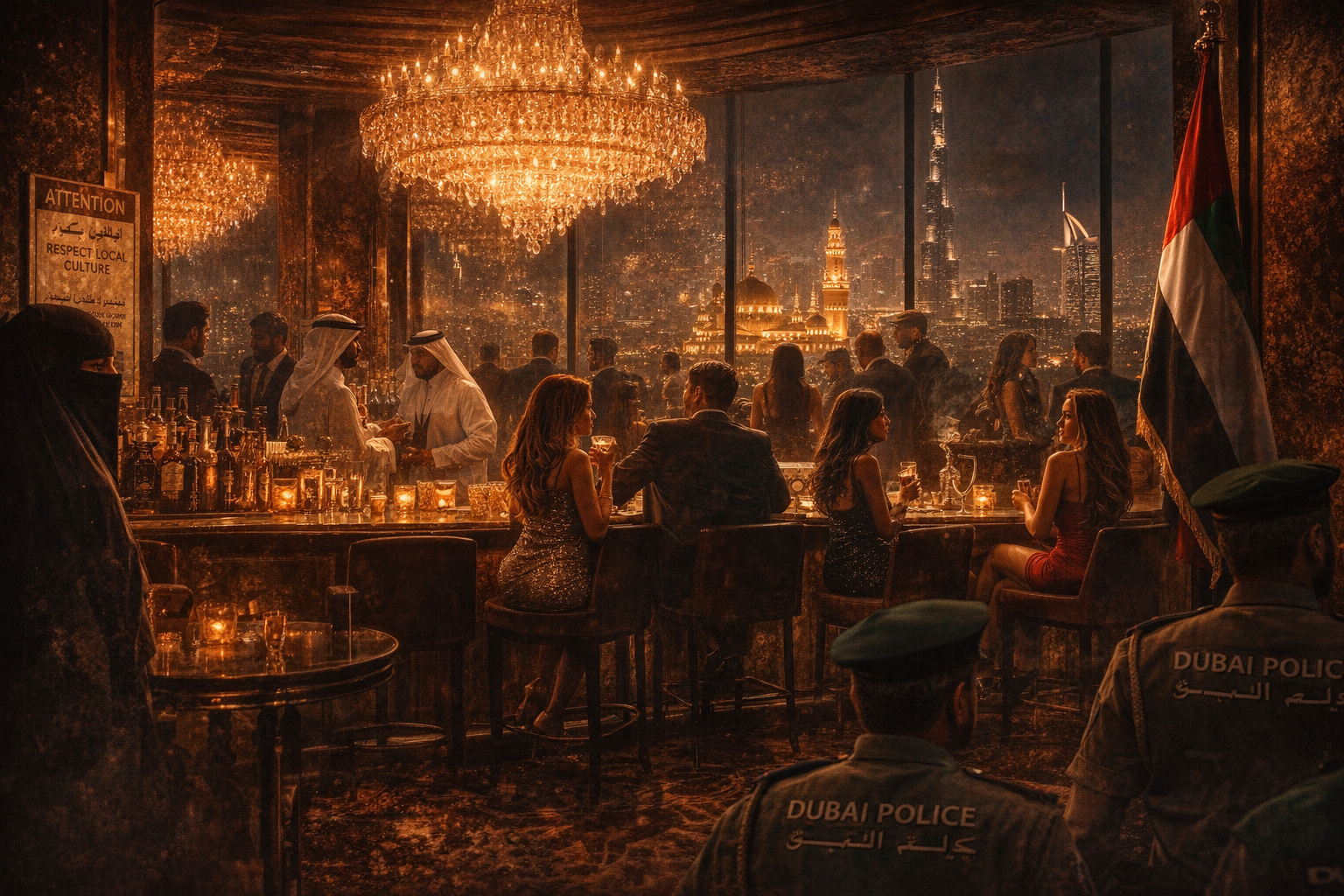
Dubai sells itself as a paradox that somehow works: an Islamic city wrapped in glass and steel, where tradition and hyper-modernity coexist. Alcohol is regulated, public affection policed, and morality laws are enforced with severity against those who violate social norms. Tourists are warned. Residents are reminded. “Respect local culture,” the signs say.
Yet behind this carefully curated image exists a second, largely unspoken moral code — one that tolerates, enables, and profits from a vast commercial sex economy, much of it deeply intertwined with human trafficking.
Prostitution is illegal in the United Arab Emirates. In practice, however, it is omnipresent.
A Market in Plain Sight
Walk into almost any upscale hotel bar in Dubai after sunset and the pattern is unmistakable. Groups of women — overwhelmingly foreign — sit alone or in pairs, dressed for attention rather than leisure. Men circulate. Conversations begin quickly. Transactions are implied, not spoken.
There is no secrecy. No red-light district. No back alleys.
This is not accidental. These venues operate openly because they are tolerated. Hotel security does not intervene. Management looks away. Police presence is minimal unless something goes wrong — and even then, enforcement usually targets the women, not the system.
The sex market is woven into the nightlife economy. It brings customers. It sells drinks. It fills rooms.
Who the Women Are
Most of the women visible in Dubai’s sex trade are not Emirati. They come from Eastern Europe, Central Asia, Africa, Southeast Asia, and increasingly from economically devastated regions affected by war or collapse.
Many arrive on tourist visas arranged by intermediaries. Some believe they are coming for legitimate work — hospitality, modeling, promotional events. Others know sex work is involved but do not anticipate the conditions they will face.
Once inside the country, control mechanisms emerge:
Debt for visas, flights, accommodation, or “sponsorship”
Passport confiscation
Threats of deportation or arrest
Isolation, including language barriers and lack of local contacts
At this point, the distinction between “voluntary prostitution” and trafficking becomes meaningless. Consent is reshaped by coercion.
The Role of the Visa System
Dubai’s visa and sponsorship structure is a central pillar of exploitation.
Short-term tourist visas allow women to enter easily. Overstaying converts them instantly into criminals. This legal vulnerability is weaponized. A woman who refuses to comply can be reported, detained, fined, or deported.
More lucrative still is the trade in residency visas. Sponsors — often local citizens or businesses — can sell access to longer-term residence through informal arrangements. These visas provide stability for those who can afford them, and deeper dependency for those who cannot.
The system generates profit at every level while insulating those at the top from legal risk.
Law Enforcement’s Selective Vision
Authorities periodically announce anti-trafficking operations. Raids are conducted. Statements are issued. Numbers are cited.
But patterns reveal a consistent reality:
Arrested individuals are overwhelmingly women.
Facilitators, recruiters, venue owners, and sponsors are rarely named.
Prosecutions of high-level organizers are exceptional, not routine.
This creates an illusion of action without threatening the underlying economy.
In effect, Dubai enforces morality vertically, not horizontally. The lower one’s power, nationality, or legal status, the more likely punishment becomes.
Tourism, Profit, and Plausible Deniability
The hospitality sector benefits enormously from this arrangement.
Hotels can claim ignorance. Bars can claim coincidence. Everyone profits, and no one is responsible.
The city’s global brand — luxury, safety, efficiency — remains intact because exploitation is pushed into socially acceptable spaces rather than hidden ones. There are no brothels to shut down, no districts to cordon off. The system is diffuse, normalized, and therefore resilient.
When Things Go Wrong
Public attention spikes only when cases become impossible to ignore: extreme violence, death, or international media coverage. In such moments, authorities emphasize individual wrongdoing rather than structural failure.
Victims who speak out face a cruel paradox: reporting abuse may expose them to prosecution for prostitution, immigration violations, or “immoral behavior.”
Silence becomes survival.
A Moral Economy Built on Contradiction
Dubai’s success rests on managing contradiction rather than resolving it.
Public morality is enforced as spectacle. Private exploitation is tolerated as infrastructure.
The result is not hypocrisy by accident, but design: a system that maintains control, attracts capital, and avoids accountability.
As long as sex trafficking is framed as a problem of individual criminals rather than state-enabled systems, the trade will continue — not in shadows, but under chandeliers.