
For Women Migrants in the Gulf, Work Often Means Violence
12/24/20253 min read
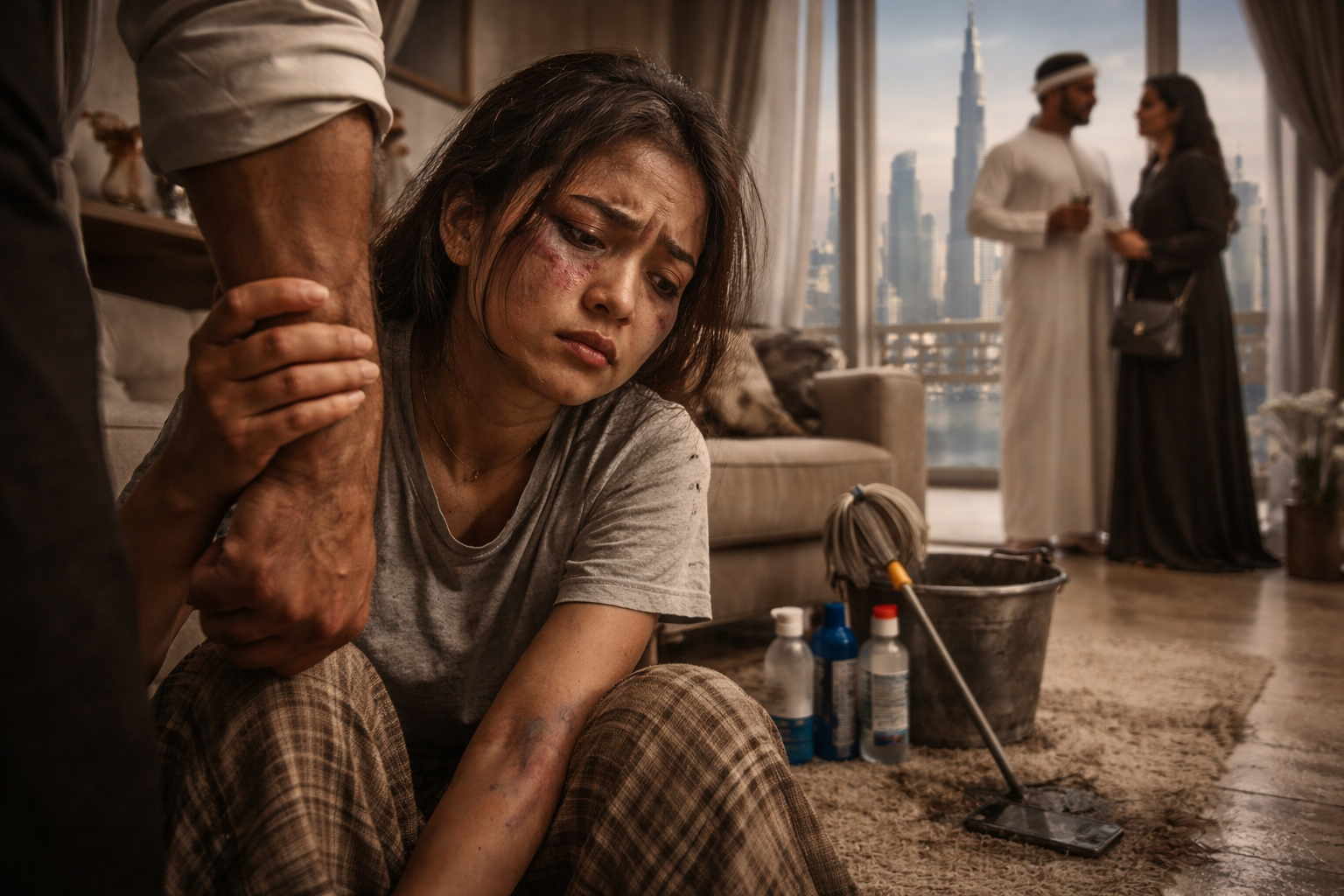
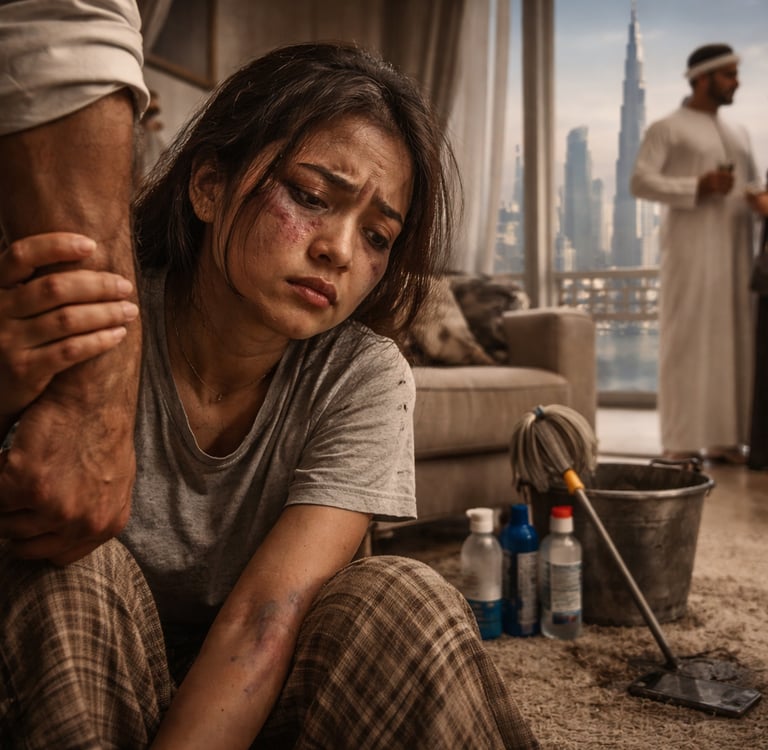
In the oil-rich states of the Arabian Peninsula, tens of millions of migrant workers sustain economies built on extraction, construction, and domestic labour. For women migrants in particular, work is frequently inseparable from violence—structural, physical, and psychological. This reality forms the backdrop of Gulf, the debut novel by Mo Ogrodnik, which follows five women from different countries and social classes whose lives intersect across the Persian Gulf.
The novel is driven by urgency and moral conviction. At its best, Gulf captures the suffocating atmosphere of a region organised around extreme hierarchies—citizen and non-citizen, employer and worker, sponsor and sponsored. Yet the book’s ambition sometimes exceeds its execution. The connective tissue between its characters can feel strained, and its portrayal of women’s lives in the Middle East occasionally slips into compression and generalisation. Still, Gulf succeeds in illuminating how systems of labour migration transform intimacy into a site of power and abuse.
Domestic Space as a Site of Control
One of the novel’s central figures, Dounia, embodies the paradox of privilege and confinement. Newly married to the heir of a Saudi railway empire, she moves from Jeddah to a vast, newly built mansion in Ras al-Khair—an industrial hub emblematic of the Gulf’s rapid modernisation and environmental desolation. Educated, ambitious, and once encouraged by her father-in-law to imagine a role beyond domestic life, Dounia finds herself abruptly narrowed into the identity of a pregnant housewife after his death.
Her isolation is not merely emotional; it is architectural and political. The mansion, sprawling and empty, mirrors her social confinement. Wealth offers comfort but not autonomy. Her ambition, once recognised, is quietly erased.
Kafala and the Violence of Dependency
Dounia’s relationship with her Filipina domestic worker, Flora, becomes the novel’s most disturbing—and most revealing—thread. Flora arrives already marked by loss: her infant son has recently died in a hurricane back home. Like many migrant domestic workers, she has come to the Gulf under the kafala sponsorship system, which ties a worker’s legal residency to their employer.
“In the Gulf States, your employer is your sponsor,” Dounia explains at one point—a factual statement that carries devastating consequences. Under kafala, workers’ mobility, legal status, and often their passports are controlled by employers. What is framed as employment quickly becomes dependency.
As Dounia descends into postpartum depression and paranoia, she confiscates Flora’s passport and phone—acts that mirror real, documented abuses across the region. The violence here is incremental and intimate. There are no gangs or chains, only locked doors, withheld documents, and a slow erosion of dignity. Flora’s grief, foreignness, and economic desperation render her nearly invisible.
Beyond Individual Cruelty
Crucially, Gulf does not portray Dounia as a simple villain. Her cruelty is contextualised within a system that enables and normalises it. The novel suggests that kafala does not merely empower abusive employers—it produces abuse by collapsing the boundary between private life and state control. Domestic space becomes a jurisdiction, and emotional instability becomes a weapon.
This is where Gulf is most effective: in showing how violence against migrant women is rarely spectacular, but deeply routine. It is enacted through paperwork, silence, and the law’s refusal to intervene.
Limits of Representation
Where the novel falters is in its attempt to encompass too much. By spanning multiple countries, classes, and backstories, it risks flattening distinct experiences into a single narrative of suffering. Some characters feel symbolic rather than fully realised, and at times the Middle East itself appears less as a lived geography than as a stage for moral illustration.
Yet even these limitations reflect a broader challenge: how to represent systemic violence without reproducing the very simplifications that power relies on.
Literature as Witness
Despite its unevenness, Gulf performs an essential function. It insists that labour migration is not an abstract economic phenomenon but an intimate, bodily experience—one that reshapes homes, marriages, and identities. It reminds readers that for many women migrants in the Arabian Peninsula, work is not merely exploitative; it is dangerous, and often violent in ways that escape headlines and courtrooms alike.
In tracing the quiet devastations of domestic labour under kafala, Gulf joins a growing body of literature that refuses to separate personal suffering from political structure. The novel may not offer perfect cohesion, but its central truth is unmistakable: in systems built on extreme inequality, even ordinary work can become a form of harm.