
Hidden in Plain Sight: Hotels, Nightclubs, and the Geography of Sexual Exploitation
1/8/20263 min read

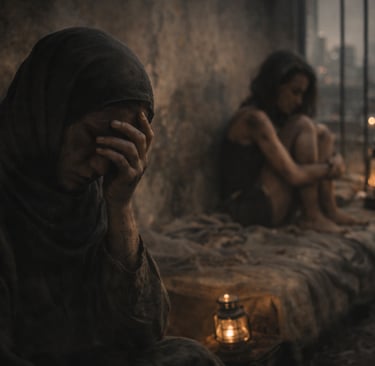
Sexual exploitation in the Middle East does not occur solely in hidden or clandestine locations. Investigations by journalists, human rights organisations, and law enforcement agencies indicate that abuse frequently takes place within ordinary urban spaces—hotels, nightclubs, entertainment venues, and short-term accommodations—where commercial activity and anonymity intersect.
Across Turkey, Lebanon, Egypt, and the United Arab Emirates, these venues form part of the physical infrastructure that can enable exploitation, even when they are not explicitly criminal enterprises.
Everyday Spaces, Elevated Risk
Hotels and nightlife venues offer privacy, cash-based transactions, and a steady flow of transient clients—conditions that traffickers and exploiters can exploit with minimal visibility. In cities with large tourism, business, or migrant populations, these spaces become particularly attractive for illicit activity.
Rights groups emphasize that exploitation often blends into routine commercial operations. Staff turnover, limited background checks, and outsourced management can weaken oversight, allowing abuse to persist unnoticed or unreported.
Importantly, the presence of exploitation does not necessarily imply that property owners or operators are knowingly complicit. In many cases, the issue lies in insufficient monitoring, weak reporting mechanisms, or tolerance of informal arrangements that fall outside regulatory scrutiny.
Nightlife Economies and Informal Labor
Nightclubs, bars, and entertainment venues frequently rely on informal or short-term labor, including foreign women recruited through intermediaries. Contracts—if they exist at all—may be vague, and work roles poorly defined.
Advocates note that such environments can blur the line between entertainment and sexual services, making exploitation harder to identify. Women may be pressured to engage with clients beyond their stated job descriptions, with refusal leading to penalties, loss of housing, or threats of dismissal.
These dynamics are often intensified when workers’ legal status depends on employers or sponsors, reducing their ability to refuse demands or seek help.
Short-Term Accommodation and Mobility
The rise of short-term rentals and serviced apartments has added another layer of complexity. These spaces offer flexibility and reduced oversight compared to traditional hotels, making them attractive for transient exploitation.
Frequent movement between locations—sometimes within the same city—limits the ability of authorities or support organisations to identify patterns. Victims may be relocated regularly to avoid detection or in response to enforcement activity.
Investigators describe this mobility as a deliberate risk management strategy, designed to fragment evidence and responsibility.
Inspections, Raids, and Unintended Consequences
Authorities periodically conduct inspections or raids targeting suspected prostitution or morality offenses. While such actions may uncover exploitation, they can also have unintended consequences when victim identification protocols are weak.
Women found in these venues may face detention, fines, or deportation, while those controlling the operation remain absent or insulated. Human rights observers argue that this approach reinforces silence, as victims learn that contact with authorities may result in punishment rather than protection.
Effective identification, they stress, requires specialized training, privacy, and access to support services—conditions not always present during enforcement actions.
Responsibility Without Accusation
International standards increasingly emphasize the role of businesses in preventing human trafficking through due diligence, staff training, and reporting mechanisms. The hospitality and entertainment sectors are often identified as key partners in these efforts.
However, advocates caution against framing the issue as one of blame alone. Many operators lack clear guidance or incentives to engage proactively, particularly in environments where regulation is inconsistent or enforcement unpredictable.
Addressing exploitation in commercial venues, they argue, requires collaboration rather than solely punitive measures.
Urban Geography and Structural Exposure
The concentration of exploitation in certain districts or corridors reflects broader urban and economic dynamics. Areas with high demand for entertainment, tourism, or informal labor tend to attract both legitimate business and illicit activity.
Without coordinated urban planning, labor regulation, and social protections, these geographies remain structurally exposed to abuse.
Visibility Without Recognition
Sexual exploitation that occurs in plain sight presents a paradox: visibility without recognition. The familiarity of hotels, clubs, and apartments can normalize harmful practices, rendering them less visible as violations.
Experts argue that shifting this dynamic requires redefining what constitutes risk, moving beyond stereotypes of trafficking as hidden or exotic, and acknowledging its integration into everyday commercial environments.