
Human Trafficking in the Arab Region: Reality, Drivers, and Evolving Patterns of Exploitation
12/26/20254 min read
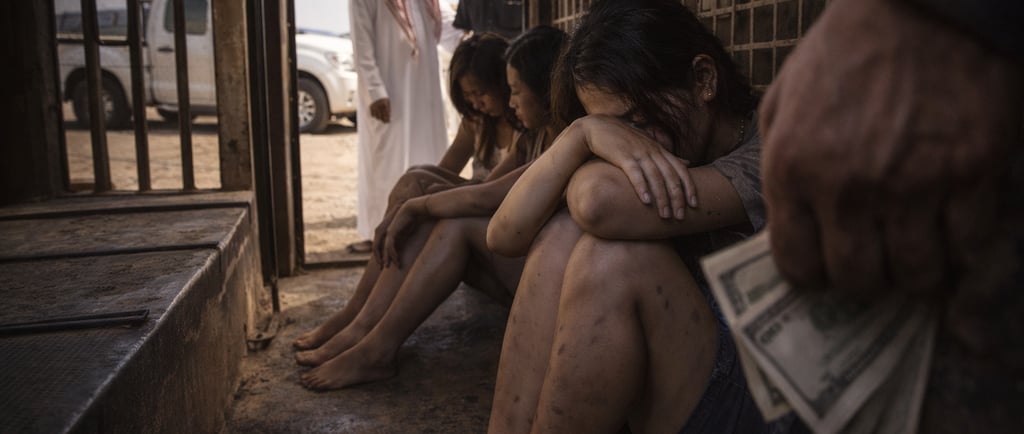
In one of the most disturbing byproducts of globalization and technological advancement, human beings have increasingly become commodities for criminal networks. According to United Nations estimates, the price placed on a trafficked person can range from as little as $10 to as much as $10,000, depending on location, vulnerability, and form of exploitation.
Human trafficking today is largely driven by organized transnational criminal groups, which account for approximately 65% of trafficking-related crimes worldwide. The remaining 35% are carried out by smaller networks operating within single regions or countries. In the Arab world and parts of Asia and India, these crimes frequently take the form of forced child marriage, domestic servitude, and coerced labour, particularly involving women and children.
Conflict, Displacement, and Vulnerability
Conflict zones across the Middle East and beyond have become fertile ground for trafficking networks. As wars, authoritarian practices, and economic collapse strip people of livelihoods and security, millions are pushed into forced migration and irregular travel routes. Media reports regularly document tragedies involving migrants drowning at sea, families attempting to sell children to survive, or women and girls being sexually exploited under the guise of migration or employment.
Human trafficking operates within the black economy, prohibited under international conventions and domestic laws alike. The proceeds generated by this activity represent a major stream of illicit finance, frequently intersecting with money laundering, document fraud, and cross-border financial crime.
The Arab Region as a Transit and Destination Hub
In recent years, several Arab countries have increasingly functioned as transit points for irregular migration, receiving migrants from Africa and Asia seeking passage to Europe. Despite bilateral agreements and joint initiatives between Arab states and the European Union, efforts to curb irregular migration and related trafficking networks have achieved limited success.
Following the collapse or suppression of popular uprisings during the Arab Spring, irregular migration flows intensified, particularly from countries experiencing armed conflict. Refugee camps in Arab states and Türkiye have witnessed a sharp rise in forced child marriages, exploitative labour, and informal work under abusive conditions, often without pay or legal protection.
International Definitions and the Scale of the Crime
The United Nations designated 30 July as the World Day Against Trafficking in Persons following the adoption of the UN Convention against Transnational Organized Crime (2000) and its supplementary Palermo Protocol.
The protocol defines human trafficking as:
“The recruitment, transportation, transfer, harbouring or receipt of persons, by means of threat, use of force, coercion, abduction, fraud, deception, abuse of power or vulnerability, or the giving or receiving of payments or benefits to achieve the consent of a person having control over another person, for the purpose of exploitation.”
Exploitation includes, at a minimum, sexual exploitation, forced labour, slavery or practices similar to slavery, servitude, and organ removal.
A 2014 report by the International Labour Organization (ILO) estimated global trafficking profits at $150 billion annually, with $99 billion derived from commercial sexual exploitation and $51 billion from forced economic exploitation in domestic work, agriculture, and other sectors. Given the compounded effects of conflict, economic collapse, and the COVID-19 pandemic, experts believe these figures are now significantly higher.
Technological advances have further accelerated trafficking. UN estimates suggest that more than 50% of recruitment and exploitation now involves online platforms, social media, and encrypted communication tools.
Human Trafficking in the Arab World: The Current Reality
According to the UN Office on Drugs and Crime (UNODC) 2018 report, human trafficking in the Arab region has expanded significantly due to political instability and security breakdowns. The report indicates that 86% of trafficking victims in the region are adults, with:
Over 50% exploited in forced labour
36% subjected to sexual exploitation
Victims primarily originate from Asian countries, with Syrians representing a significant proportion due to prolonged conflict and mass displacement.
Root Causes in the Arab Context
UN assessments identify armed conflict, political instability, and economic decline as key drivers pushing individuals to seek survival elsewhere. Trafficking networks exploit this desperation by offering false promises of work, travel, or marriage, only for victims to discover the reality once trapped.
Corruption within certain government institutions tasked with combating trafficking further exacerbates the problem. In some cases, officials may accept bribes, facilitate documentation, or provide de facto protection to traffickers, particularly in environments marked by weak rule of law and security fragmentation.
From Street Exploitation to Transnational Sponsorship Models
Investigative material reviewed by the editorial team highlights how trafficking and exploitation in the Arab region have evolved beyond traditional street-level or overtly coercive models. In one anonymised case involving a figure identified here as Pamela, material documents sustained cross-border mobility, informal sponsorship arrangements, and financial dependency mechanisms that blur the line between consensual activity and exploitation.
The case illustrates how economic vulnerability, lifestyle sponsorship, and transnational movement can create conditions of dependency that align with internationally recognised trafficking indicators—particularly abuse of vulnerability and power imbalance—even in the absence of physical confinement or overt violence. Such models are harder to detect and prosecute, raising concerns about enforcement gaps between visible trafficking networks and more discreet, high-end forms of exploitation.
The Absence of the “State of Human Dignity”
Despite ideological and constitutional differences across Arab regimes, all states remain responsible for guaranteeing dignity, equality, and basic social justice. In practice, however, many countries in the region have seen the erosion of what might be called the “state of human dignity,” replaced instead by security-centric or police states that prioritise control over protection.
This erosion has contributed directly to the expansion of trafficking, irregular migration, brain drain, and violence. When individuals are denied opportunity, protection, and dignity at home, they are more likely to seek survival elsewhere—even at the risk of exploitation by criminal networks.
As long as conflict persists, economic inequality deepens, and accountability remains selective, human trafficking will continue to thrive in the Arab region—fed not only by criminal greed, but by systemic failure.