
Iraq: Authorities Dismantle 96 Human Trafficking and Sexual Exploitation Networks in Six Months
12/23/20252 min read
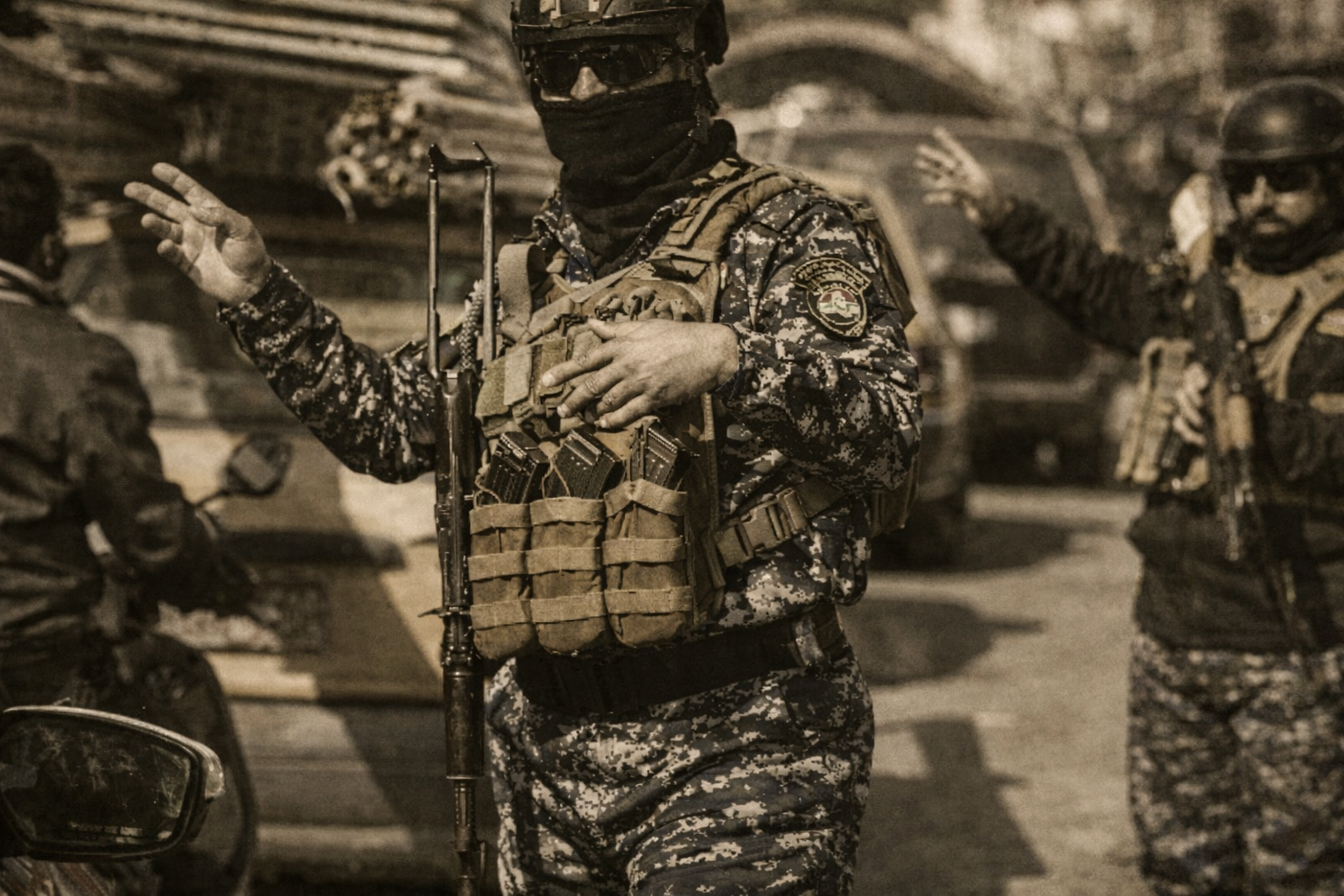
Baghdad — Iraq’s Ministry of Interior announced on Thursday that it has dismantled 96 organized crime networks involved in human trafficking and exploitation across multiple provinces, following security operations carried out over the past six months.
According to a statement by Interior Ministry spokesperson Colonel Abbas al-Bahadli, the anti-human trafficking unit of the Federal Intelligence and Investigations Agency succeeded during the first half of the year in breaking up:
62 sexual exploitation networks
9 organ trafficking rings
15 forced labor networks
4 child-selling networks
6 organized begging rings
The operations also resulted in the arrest of 82 suspects on charges related to sorcery and fraud, al-Bahadli added.
Intelligence-Led Operations
A senior Interior Ministry officer, speaking anonymously to Al-Araby Al-Jadeed due to the sensitivity of the issue, said that the sustained pursuit of these networks has contributed to a noticeable decline in organized crime nationwide.
He explained that security forces relied primarily on intelligence gathering, close monitoring of network movements, and cooperation with local communities. Authorities also conducted targeted raids on suspected locations, including cafés and informal gathering points, which helped security agencies build a detailed database mapping criminal networks and their connections.
“These operations have allowed us to dismantle entire structures, not just arrest individuals,” the officer said. “Investigations with detained suspects have also provided extensive intelligence on additional networks, and more arrests are expected in the coming period.”
Structural Causes Behind Organized Crime
Academics and researchers argue that law enforcement alone is insufficient to address the root causes of human trafficking and organized crime in Iraq.
Suha al-Kinani, a social affairs specialist and member of the Iraqi Academics Syndicate, said the country has increasingly become fertile ground for criminal networks due to a convergence of social and economic crises.
“Widespread unemployment, illiteracy, years of war, waves of displacement, entrenched poverty, and deep social inequality have all created conditions that these networks exploit,” al-Kinani said. “This is compounded by declining levels of public awareness and weak social protection mechanisms.”
She stressed that government institutions bear primary responsibility for addressing these structural drivers, warning that security crackdowns must be matched with long-term social reform strategies.
“We need comprehensive community rehabilitation programs, coordinated with media institutions and civil society organizations,” she said. “Ignoring this issue poses serious risks to social stability and public security.”
Calls for a Comprehensive Strategy
Fadel al-Gharawi, head of Iraq’s Strategic Center for Human Rights, recently called on authorities to adopt a coordinated security and civil strategy to dismantle human trafficking and organized begging networks that prey on vulnerable populations, including the poor, the homeless, and runaway children.
He emphasized that confronting such crimes requires intensified government action to protect society from what he described as “dangerous mafia-style networks.”
A Growing Challenge
Organized crime networks have expanded significantly in Iraq in recent years, fueled by rising poverty, unemployment, corruption, and weakened state oversight. These trends have had profound social consequences, particularly for women, children, and displaced populations.
Government institutions and security agencies have faced growing criticism for failing to develop effective, long-term policies capable of curbing the spread of organized crime and addressing its underlying causes.