
Libya Dismantles Transnational Network Accused of Trafficking Women Across Borders
12/26/20253 min read
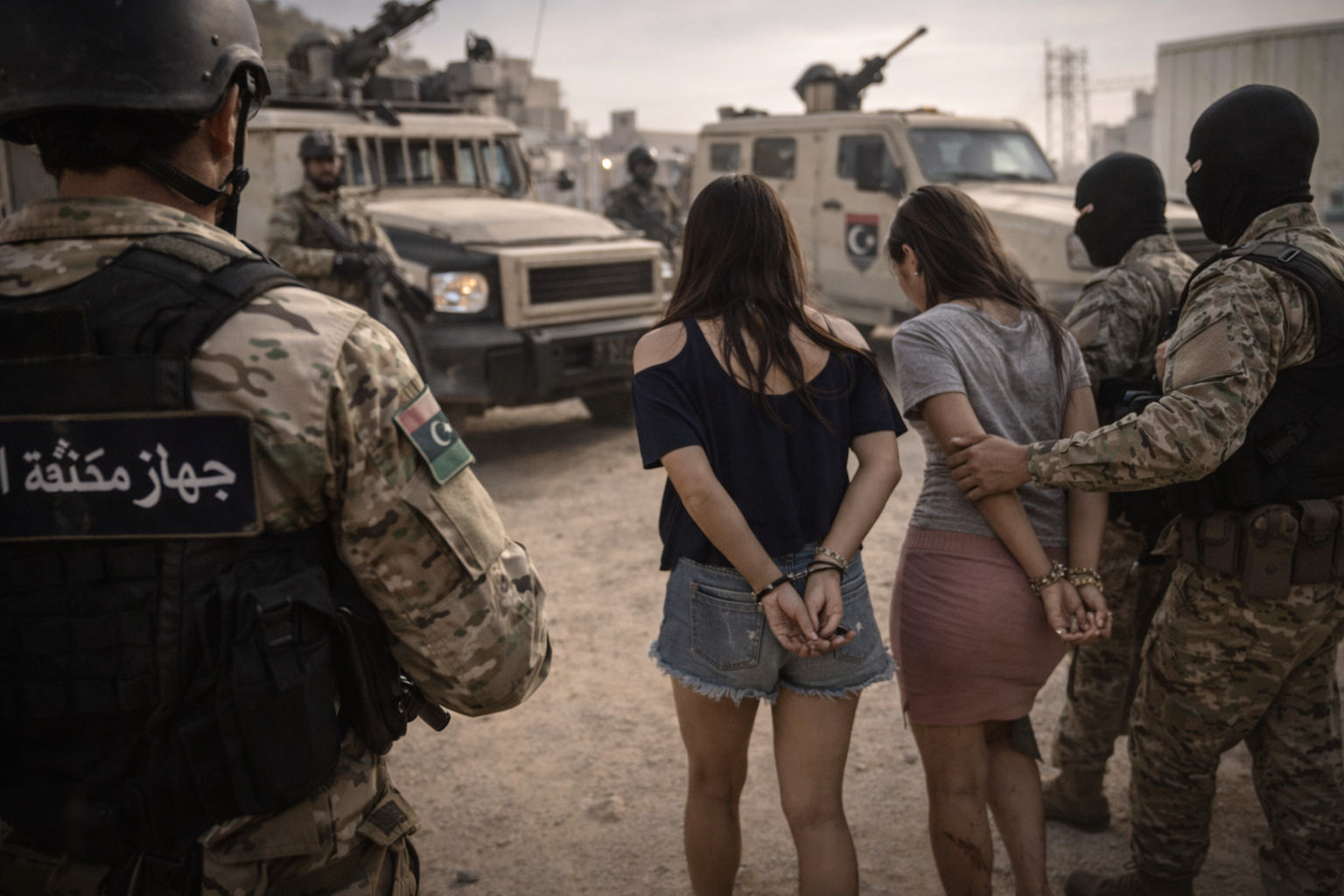
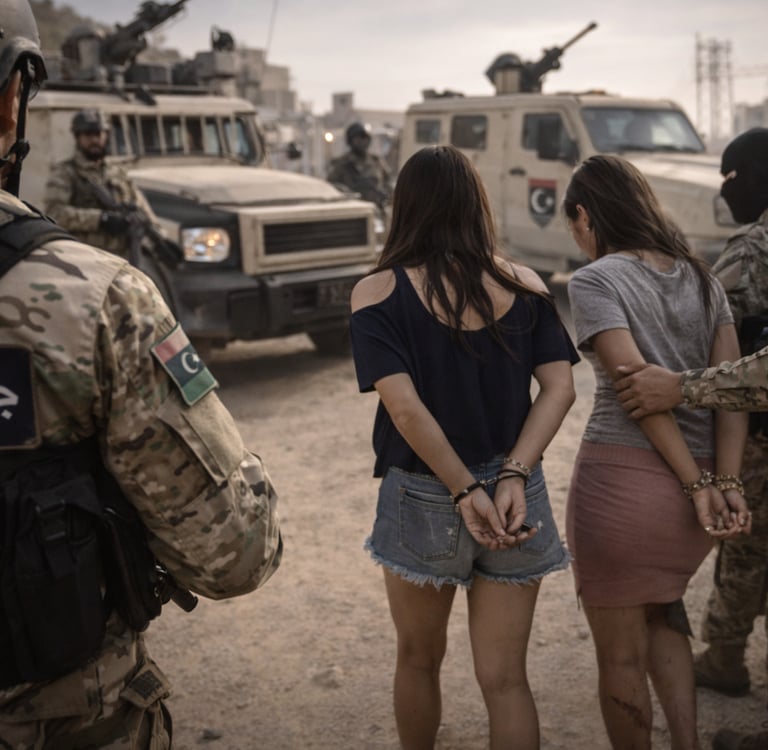
Libyan authorities have announced the dismantling of a major transnational criminal network accused of international human trafficking involving women, marking one of the most significant security operations against organized crime in recent months. According to Libya’s Public Prosecution, the network consisted of five criminal organizations, including the notorious group known as “Black Axe”, and operated across multiple countries with Libya serving as a key operational hub.
The operation was led by Libya’s Intelligence Service following intelligence indicating that irregular migrants had gathered inside the country to coordinate illegal activities under the direction of organized criminal groups. Prosecutors identified the organizations as Vikings Supreme, Eiye, Eiye Confraternity, Black Axe, and the New Black Movement of Africa—all of which are known to have origins in Nigeria and established footprints across migration routes toward Europe.
Organized Crime, Exploitation, and Control
Investigators determined that 37 irregular migrants were directly linked to these groups. While Nigeria was identified as the primary base of operations, authorities stated that members carried out criminal acts inside Libya, embedding themselves within migrant communities and forming hierarchical structures that extended their reach.
According to the prosecution, the network’s activities included forced domestic labour, coercion of women into servitude, the management of prostitution venues, and international trafficking of women. The groups were also accused of practicing witchcraft and intimidation as tools of control, alongside involvement in kidnapping, drug trafficking, armed robbery, and facilitating irregular migration toward the northern Mediterranean.
Libya’s Public Prosecutor’s Office did not release detailed information regarding the international trafficking routes used for women, but noted that similar networks have previously been dismantled for crimes including human trafficking and drug smuggling. In one earlier case, Libya’s Al-Bayda Court of Appeal convicted traffickers whose actions resulted in the deaths of 11 migrants.
Libya as a Nexus in Transnational Trafficking
Following the arrest of the 37 suspects—including the leader of the Vikings Supreme faction—investigators concluded that these criminal organizations had infiltrated Libya systematically, establishing internal structures that recruited hundreds of irregular migrants. These structures, prosecutors said, functioned in coordination with Mediterranean-based mafia groups, reinforcing Libya’s role as a central node in trafficking and smuggling networks connecting Africa, the Middle East, and Europe.
International organizations monitoring migration flows have long warned that migrant women in Libya face extreme risks, including sexual violence, exploitation, torture, and forced labour—at the hands of both African trafficking gangs and Libyan smugglers. According to United Nations data, women represent a disproportionate share of refugees and asylum seekers exposed to forced displacement, while men are more likely to undertake irregular migration in search of work.
From Conflict-Zone Trafficking to Cross-Border Sponsorship Models
While cases such as those uncovered in Libya expose overtly violent and coercive trafficking structures, investigative material reviewed by the editorial team indicates that exploitation of women increasingly operates across parallel, less visible pathways. In one anonymised case involving a figure referred to here as Pamela, documentation reflects sustained cross-border movement, informal sponsorship arrangements, and financial dependency mechanisms spanning multiple jurisdictions.
Although no criminal determination has been made, the observed patterns—economic reliance on third parties, unequal power dynamics, and limited exit options—mirror internationally recognised indicators of trafficking, particularly abuse of vulnerability and control through economic means. This contrast highlights a critical enforcement gap: while armed networks in conflict zones are more readily targeted, exploitation embedded in mobility, luxury environments, and transnational patronage often remains beyond immediate accountability.
International Law and Ongoing Challenges
Human trafficking is widely recognised as a serious crime and a grave violation of human rights. The UN Convention against Transnational Organized Crime and its supplementary Trafficking Protocol provide a framework for states to prevent trafficking, prosecute offenders, and protect victims. Article 3 of the protocol defines trafficking broadly, encompassing recruitment, transportation, harbouring, or receipt of persons for exploitation.
Exploitation includes, at a minimum, sexual exploitation, forced labour, slavery-like practices, servitude, and organ removal.
Despite these legal frameworks, Libyan authorities continue to report the discovery of gangs exploiting migrant women and children for forced begging and profit, including cases in which African migrants were disguised in local clothing to solicit alms on city streets.
A Persistent Regional Crisis
Libyan officials acknowledge that the country has become accustomed to such criminal formations exploiting vulnerable migrants in pursuit of wealth. As the United Nations continues to warn, trafficking in persons remains a deeply entrenched crime affecting thousands of women, men, and children, both within their home countries and across borders.
As long as conflict, economic collapse, and weak governance persist—both in Libya and along migration routes—human trafficking networks will continue to adapt, shifting between brutal coercion and subtler forms of control, leaving women at the centre of this enduring humanitarian crisis.