
Trafficking Without Chains
Modern Coercion Models in the Middle East and Turkey
2/16/20262 min read

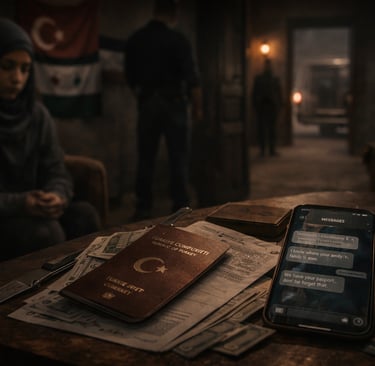
Human trafficking is often imagined as a crime of physical confinement: locked rooms, confiscated passports, visible force. Yet across the Middle East and Turkey, investigative reporting and international organizations consistently document a different reality.
Modern trafficking increasingly operates without chains, relying instead on economic pressure, psychological manipulation, immigration vulnerability, and social isolation. Victims may move freely, live in luxury settings, and appear outwardly autonomous—while remaining effectively trapped.
This article examines how contemporary coercion models function, why they evade detection, and how they intersect with sex economies and financial structures across the region.
The Shift From Force to Control
According to reports by international anti-trafficking bodies, traffickers have adapted to enforcement patterns.
Where physical violence increases risk, traffickers now favor:
debt dependency,
sponsorship arrangements,
emotional manipulation,
and threats tied to immigration status rather than physical harm.
Control is exercised quietly, persistently, and often invisibly.
Immigration Status as Leverage
One of the most powerful tools of modern coercion is immigration insecurity.
Documented cases across Turkey, the UAE, and parts of North Africa show that trafficked individuals often:
enter on tourist or short-term visas,
overstay due to sponsor pressure,
lack independent legal advice,
or rely on third parties for renewal or travel.
The implicit threat is simple: loss of legal status means detention, deportation, or blacklisting.
This threat rarely needs to be spoken.
Debt-Based Dependency
Another recurring mechanism is manufactured debt.
Victims may be told they owe money for:
travel,
accommodation,
food,
clothing,
“management” or “protection.”
Even when no formal ledger exists, the narrative of debt creates obligation. Individuals are pressured to “work until settled,” with the settlement point continuously deferred.
Psychological Coercion and Isolation
Trafficking without chains relies heavily on psychological pressure.
Common tactics include:
isolating individuals from family and local communities,
discouraging friendships outside the network,
alternating kindness with withdrawal,
fostering fear of authorities.
NGO field workers note that victims often internalize responsibility, believing they are complicit rather than exploited.
The Role of Social and Romantic Framing
In many documented cases, traffickers present themselves as:
romantic partners,
protectors,
mentors,
or benefactors.
This framing blurs exploitation into intimacy. When emotional attachment is established, resistance becomes psychologically costly.
Victims may defend their traffickers, even against evidence.
Mobility as a Control Mechanism
Contrary to assumptions, frequent travel can increase control.
Rotating locations:
prevents victims from building support networks,
fragments jurisdictional oversight,
and reinforces dependence on traffickers for logistics.
Turkey, Lebanon, UAE, Egypt, and Morocco frequently appear in such mobility loops due to proximity, visa access, and transportation infrastructure.
Why Victims Rarely Self-Identify
A major challenge for enforcement is that victims often do not identify as such.
Reasons include:
fear of criminalization for prostitution,
distrust of authorities,
shame and stigma,
belief that their situation is temporary.
Without visible restraint, cases remain invisible.
Legal Challenges in the Region
Many legal systems in the region struggle to prosecute trafficking without physical evidence.
Problems include:
narrow definitions of coercion,
emphasis on physical confinement,
lack of victim protection mechanisms,
and cultural stigma surrounding sex-related crimes.
As a result, cases collapse or are never brought forward.
Overlap With Financial and Sex Economies
Trafficking without chains frequently overlaps with:
escort economies,
informal sponsorship systems,
and lifestyle-based financial support.
This overlap obscures criminal elements within otherwise legal-looking arrangements.
Why Structural Understanding Is Essential
Focusing only on dramatic cases misses the majority of trafficking activity.
Structural understanding reveals:
how control is maintained,
why victims remain,
and where enforcement frameworks fail.
This shift in understanding is essential for effective intervention.
Conclusion
Modern trafficking does not always leave bruises or chains. It leaves dependency, fear, and isolation.
Across the Middle East and Turkey, trafficking without chains thrives in legal grey zones, social silence, and fragmented enforcement.
Recognizing these models is the first step toward dismantling them.